NeuralOS

When Models Simulate an Entire Operating System
Luke Rivard · Sun Sun · Hongyu Guo · Wenhu Chen · Yuntian Deng
University of Waterloo & National Research Council Canada
ESS · ICLR 2026 Conference Highlights · June 11, 2026
arXiv:2507.08800

What if an OS was entirely neural?

Every pixel generated by a neural network. No kernel. No applications. Just weights.

The Next Interface Paradigm

“Chatting” with LLM feels like using an 80s computer terminal. The GUI hasn't been invented yet, but some properties of it can start to be predicted.

— Andrej Karpathy

What if the entire interface could be generated by a neural network?

From Game Simulation to OS Simulation

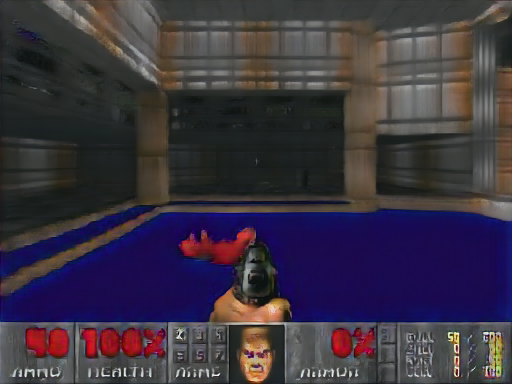
GameNGen (Valevski et al., 2024): Doom simulated by a neural model at 20 fps
Can we go beyond games
and simulate an entire OS?

Why Simulate an OS?

The same reason self-driving cars learn in simulators.

Autonomous Driving
🚗💥

You don't stage a real crash to teach a car to avoid one.

Driving simulator
Computer-Use Agents
🖥️🏦

You don't drain a real bank account to teach an agent to transfer money.

NeuralOS
NeuralOS is to computer-use agents what a driving simulator is to self-driving cars.

Learn interfaces from demonstrations — no real OS, accounts, or money at risk.

OS as Autoregressive Generation
past frames
current frame
🖱️ click on ×
NeuralOS
predicted next frame
feed predicted frame back as input → repeat forever

Not a fixed clip — responds to every user action, forever.

High-Level Architecture
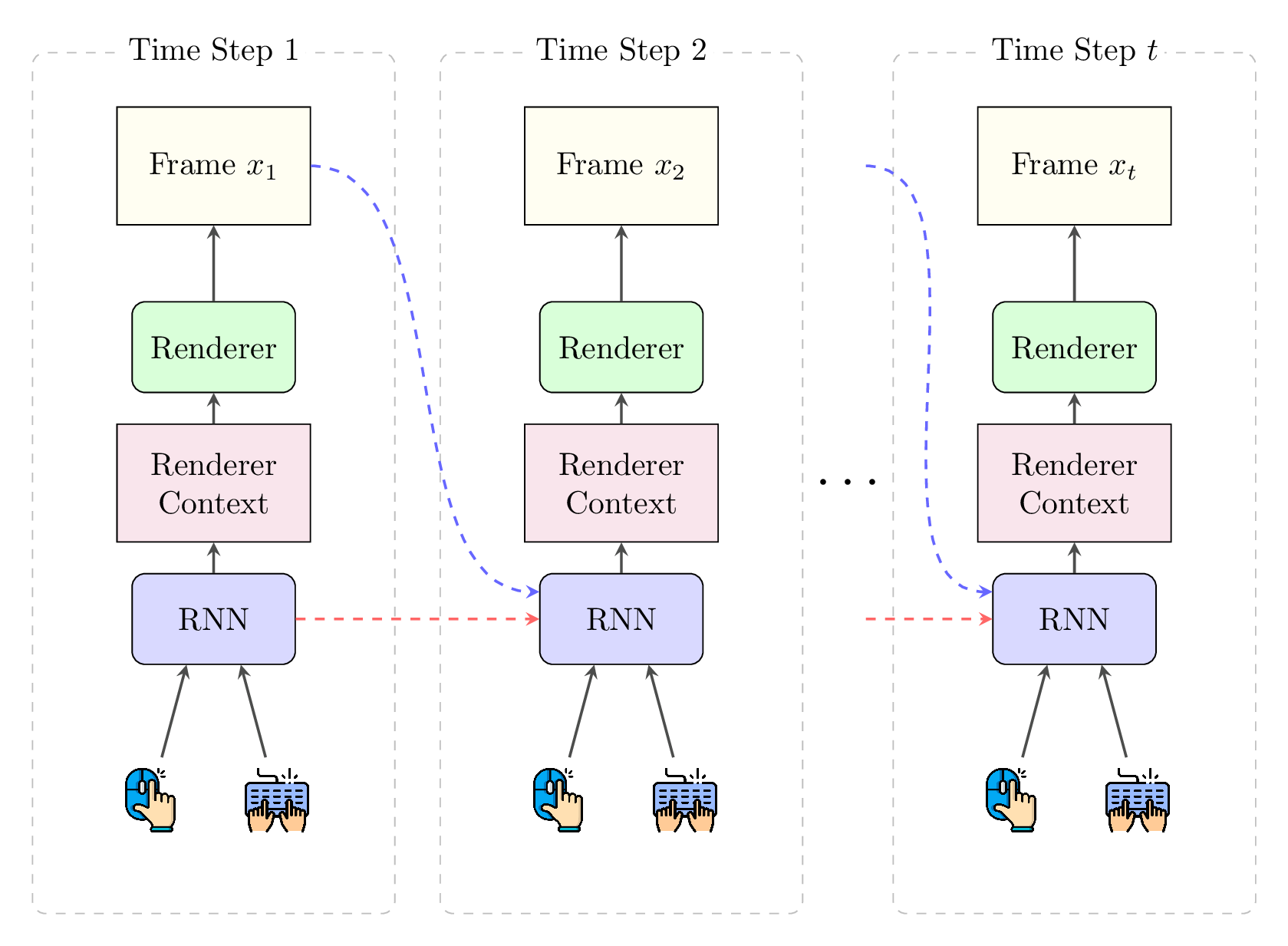
NeuralOS high-level architecture

RNN tracks the OS state — like a kernel (constant memory at any sequence length)

Diffusion Renderer generates the screen frame — like a desktop manager

A Detail That Stalled Us for Months

Everything rendered well — except the cursor.

<0.1% of pixels, but drives every click. Early models were up to 130px off → clicks missed everything.

The fix: encode (x, y) as a Gaussian spatial map — an extra input channel.
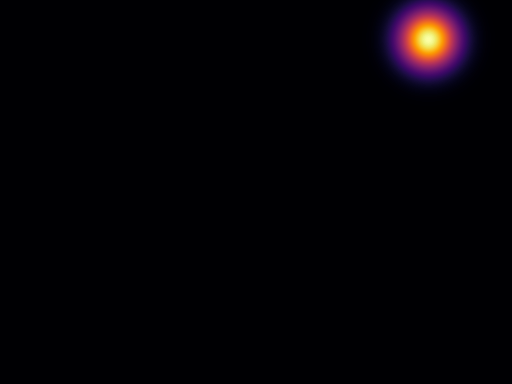
Input: cursor position
(x, y)
Gaussian spatial map (extra channel)
Rendered frame with cursor at correct position
130px
error
without map
1.6px
error
with Gaussian map

Data Collection

🤖
2K
AI-agent demos
Claude 3.5 Sonnet computer-use agent
🎲
120K
random-exploration demos
Random mouse & click exploration

64 Docker containers · Ubuntu XFCE · 512×384 · 15 fps → 12 TB

Why Random Exploration?

Agent-only data led to spurious correlations:

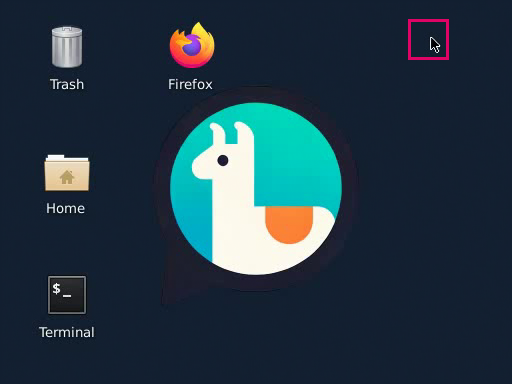
Cursor moves near close button (NO CLICK)
Window closes anyway — WRONG!

Agent always clicks after hovering → model learns "hover = close."
Random exploration adds hover-without-click counterexamples.

Training in a Nutshell

Naïve end-to-end training fails — a multi-stage pipeline is essential.

STAGE 1
RNN Pretraining
Otherwise the renderer ignores RNN state
STAGE 2
Joint Training
RNN + diffusion end-to-end → sharp frames
STAGE 3
Scheduled Sampling
Feed model's own outputs → stops error drift
STAGE 4
Context Extension
32→64 frames; generalizes to 256
Results

Does It Work?

NeuralOS in Action

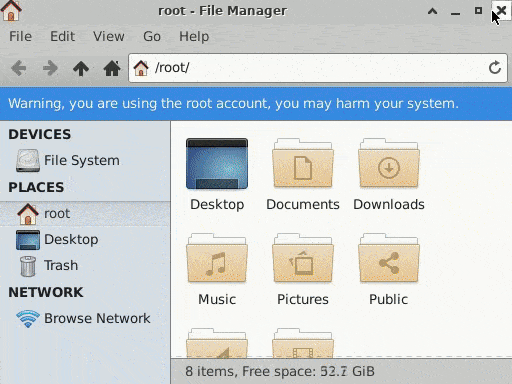
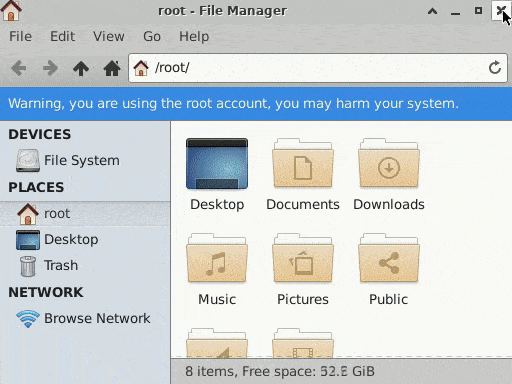
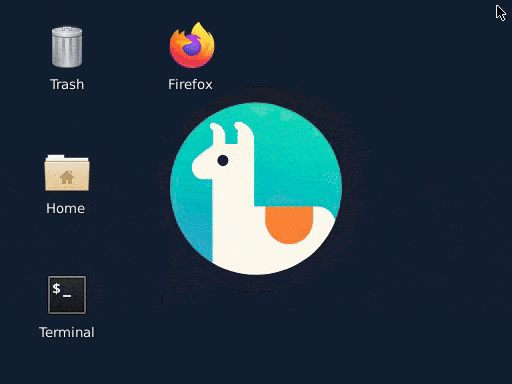
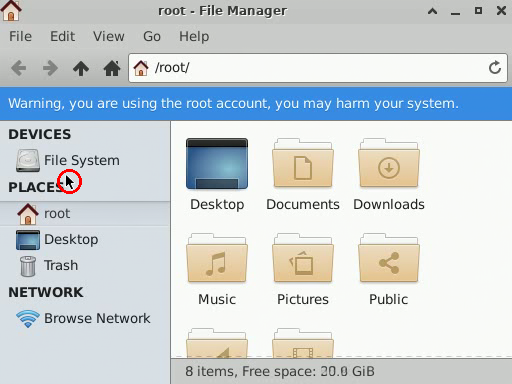
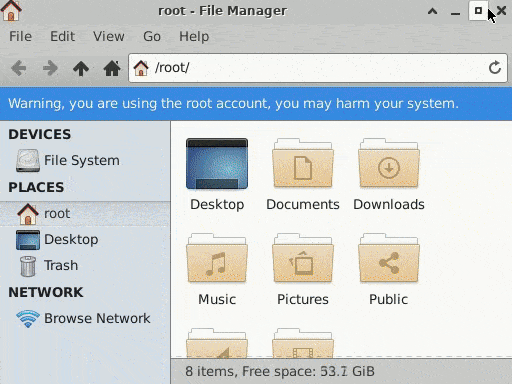
Double-click "Home" folder → file manager opens → close it
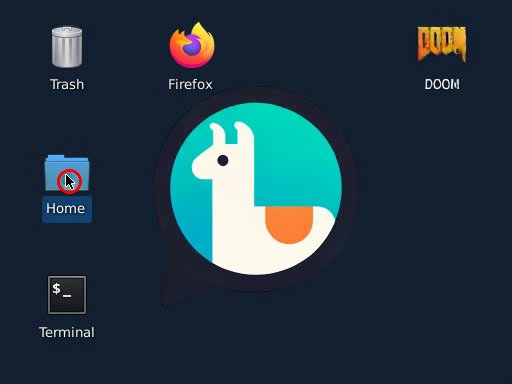
1. Double-click Home
2. File manager opens
3. Close → desktop
All frames generated autoregressively · cursor shown with red circles

Synthetic Demonstrations: Setup

Doom was never installed — we fabricated training data in two steps:
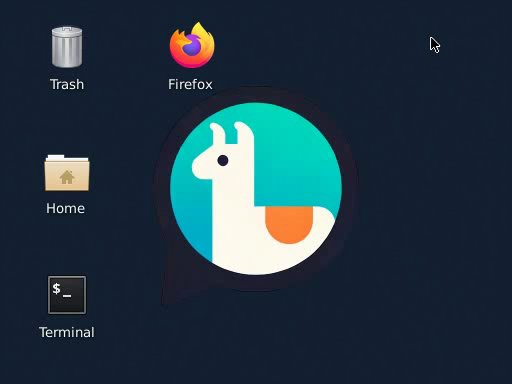
1. Paste a Doom icon onto the desktop
2. Splice Doom gameplay into demo videos
original
with icon
original demo
with Doom spliced in

Synthetic Demonstrations: Result

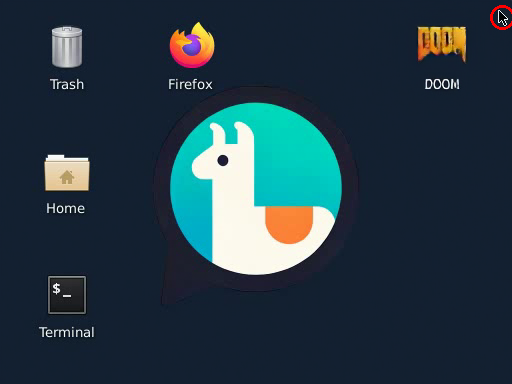
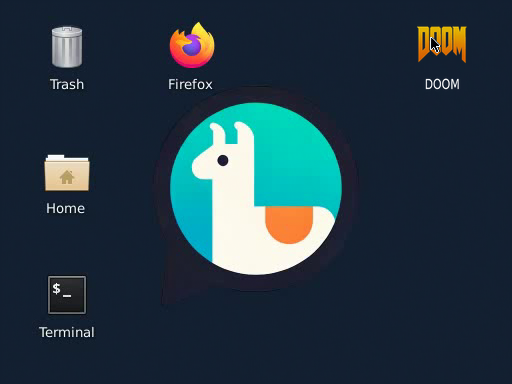
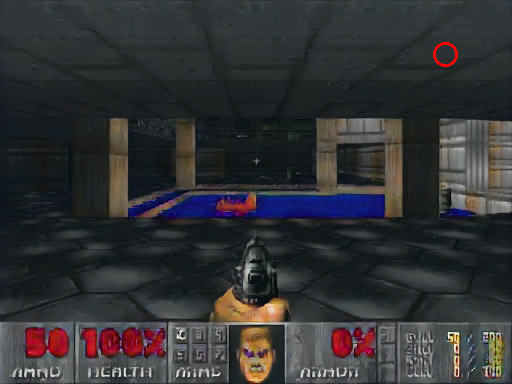
NeuralOS learns to launch and play Doom — from fabricated data alone
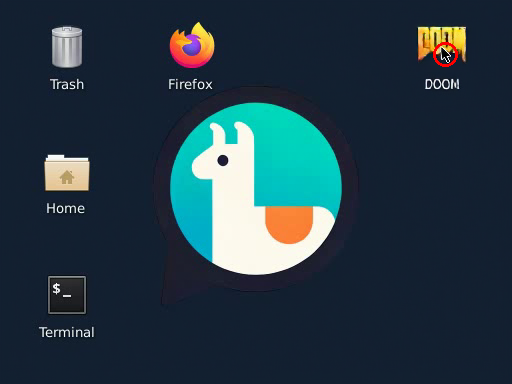
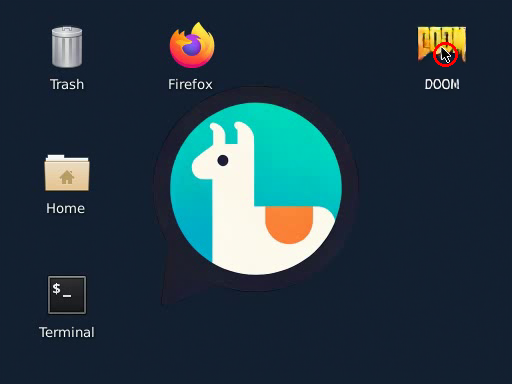
1. Desktop with Doom icon
2. Double-click → Doom launches
3. ESC → back to desktop

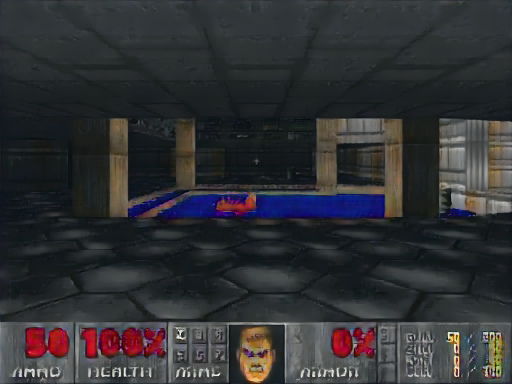
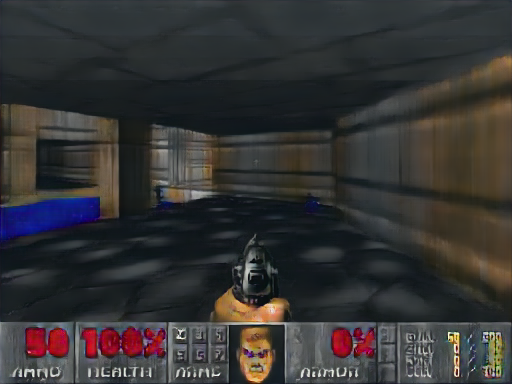
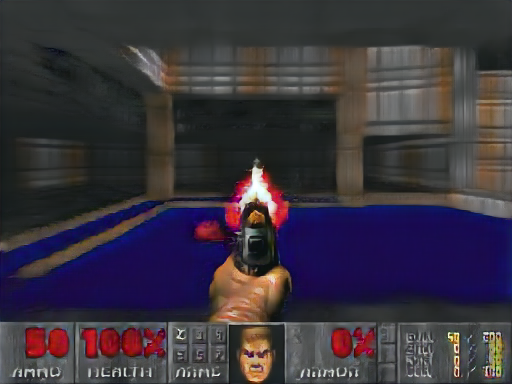
More generated gameplay frames:

Demonstrate it — even synthetically — and it becomes a usable interface.

Interactive Demo

neural-os.com

QR code for neural-os.com
Scan to try it

Key Takeaways

🧠
RNN + Diffusion
Long-term state with constant memory
🎮
Synthetic demos work
Doom learned from fabricated data
Anything you can demonstrate — even fabricated — becomes a usable interface.
→ opens the door to UIs that can't be hand-coded in fixed formats like HTML.

Progress: 2024 → 2026

2024: 256×256
Couldn't overfit even simple folder creation
2025: 512×384
Realistic OS simulation (this talk)
2026: 1024×768
Current demo at neural-os.com

Shown at proportional sizes. Resolution ×4 in 18 months.

Thank You!
Luke Rivard
Sun Sun
Hongyu Guo
Wenhu Chen
Yuntian Deng
University of Waterloo & National Research Council Canada
Supported by the Laude Institute (Slingshots program)

Demo: neural-os.com  ·  Code: github.com/yuntian-group/neural-os

Paper: arXiv:2507.08800

Questions?